Bulky waste and carpet disposal in Putney explained
Posted on 02/06/2026
If you have an old carpet rolled up in the hallway, a broken wardrobe in the spare room, or a mix of bulky items that need shifting before a move, you are not alone. In Putney, bulky waste and carpet disposal can feel straightforward at first, then suddenly confusing once you start thinking about access, council rules, landfill, recycling, or whether the job is simply too awkward to do yourself.
This guide breaks everything down in plain English. You will learn what bulky waste actually includes, how carpet disposal usually works in Putney, what your realistic options are, which mistakes cost people time and money, and how to choose the right route for your home, tenancy, or business. No fluff. Just the useful stuff.
There is also a strong practical angle here. A lot of people deal with carpets and bulky items at the same time during a move-out clean, a renovation, or a full spring clean in Putney. If that is your situation, planning the disposal properly makes the rest of the job far easier. Honestly, it can save a whole Saturday.
![An outdoor scene showing a pile of bulky waste and discarded items, including black trash bags, a yellow plastic container, an old beige car tire, and assorted debris, situated on a gravel surface adjacent to a stone wall. In the background, there is a metal fence, some greenery, and a shed with a curved roof under a partly cloudy sky. The area appears untidy and in need of proper waste disposal and surface cleaning, highlighting the importance of regular hygiene and maintenance. This image demonstrates the type of waste that [COMPANY_NAME], based in Putney, can help remove as part of their domestic cleaning and waste disposal services, ensuring cleanliness and environmental responsibility.](/pub/blogphoto/bulky-waste-and-carpet-disposal-in-putney-explained1.jpg)
Why Bulky waste and carpet disposal in Putney explained Matters
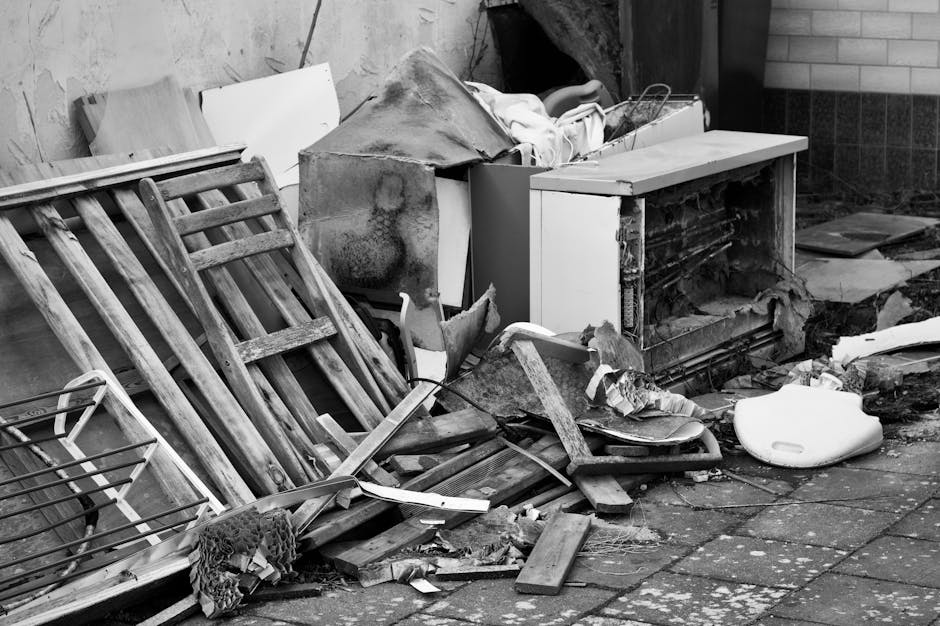
Bulky waste is one of those things people tend to put off until it is staring them in the face. A bed frame leaning against the wall. An old rug that will not fit in the lift. A carpet cut into awkward strips after a renovation. Then the question becomes: what now?
In Putney, the answer matters for a few practical reasons. First, bulky items are inconvenient to store, especially in flats, shared houses, and smaller homes where hallway space disappears quickly. Second, carpet disposal is a little more involved than throwing out a bag of household rubbish. Carpets are large, heavy, often dirty, and sometimes stuck with underlay, grippers, or tacks. That makes them tricky to handle safely.
There is also a tidy-up reality that gets overlooked. When a room still contains old carpet or oversized items, everything else looks half-finished. You cannot properly deep clean a floor, refresh a room, or hand back a property with confidence if the waste is still sitting there. If you are dealing with a rental turnover, combining disposal with deep cleaning in Putney or one-off cleaning can make the whole job feel much more under control.
Key takeaway: the best bulky waste plan is not just about removal. It is about safety, access, timing, and making sure the room is actually ready for its next use.
Putney homes also vary a lot. You have period terraces, riverside apartments, maisonettes, offices, and busy family homes. That variety means there is no one-size-fits-all approach. A small rug in a house with easy front-garden access is a very different job from a waterlogged carpet on the fourth floor. Same category, wildly different effort. To be fair, that is where most people get caught out.
How Bulky waste and carpet disposal in Putney explained Works
At a basic level, bulky waste disposal means removing items too large or awkward for normal household waste collection. Carpet disposal sits inside that wider category, but it often needs its own handling because carpets can be cut, rolled, bundled, and separated from underlay or accessories.
There are usually four practical routes:
- Reuse or donation if the item is clean, usable, and in good condition.
- Special collection or removal service for larger items that need collecting from the property.
- Transfer or disposal through an appropriate facility where items are sorted and processed.
- On-site prep and removal when a team handles lifting, loading, and haulage in one visit.
Carpets need a little extra thought. A fitted carpet is usually removed in sections, rolled tightly, and secured so fibres do not shed everywhere. Underlay may be recyclable in some situations, but not always. Gripper rods, nails, and old adhesive can also change the disposal process. If you are taking up a whole room of flooring, expect a bit more mess than you might imagine at 8 a.m. before coffee. The dust always finds a way.
There is also the access question. In Putney, many properties have stairs, narrow landings, shared entrances, or limited parking. That affects how quickly bulky waste can be moved and whether a job needs extra hands. If the item is oversized, damp, or unusually heavy, the safest option is usually to avoid DIY lifting unless you are genuinely equipped for it.
For landlords, agents, and tenants, timing matters too. If carpet disposal is part of an end-of-tenancy handover, it is often best to schedule it alongside end of tenancy cleaning in Putney so the whole property is handed over in one clean sweep, not in bits and pieces.
Key Benefits and Practical Advantages
Good disposal planning saves more than just effort. It reduces stress, lowers the chance of damage, and helps the property look properly finished. That matters whether you are moving house, renovating, or clearing a workspace.
- Safer handling: bulky items can cause trips, strains, and scratched walls if moved badly.
- Better presentation: once the old carpet is gone, the floor can be cleaned, repaired, or replaced properly.
- Faster turnaround: especially useful in rentals, sales, and post-event clean-ups.
- Less waste left behind: fewer "temporary piles" that somehow stay in the corner for three weeks.
- More flexible room use: you can get on with decorating, staging, or deep cleaning.
There is a less obvious benefit too: confidence. When the waste is gone and the room is clear, decisions get easier. You know what space you have. You can measure properly. You can book the next job without second-guessing access or mess.
For many households, the smartest move is to pair disposal with broader home care. A room that has just had carpet removed often benefits from house cleaning or domestic cleaning in Putney, especially if there is dust, adhesive residue, or traffic grime around the skirting boards. It is one of those jobs where doing half the process properly rarely feels satisfying.
Who This Is For and When It Makes Sense
Bulky waste and carpet disposal in Putney is relevant to a surprisingly wide group of people. Some are dealing with one awkward item. Others are clearing an entire flat. The needs are different, but the principles stay the same.
Homeowners
If you are upgrading flooring, replacing a worn carpet, or decluttering a spare room, you may need a quick and tidy removal route. Homeowners usually want less fuss and fewer delays, especially if tradespeople are arriving soon after.
Tenants
Tenants often need a fast turnaround before checkout, and old carpets or large items can become a headache if they are left too late. If you are moving between rentals, the timing becomes everything. A small delay can suddenly affect the final clean.
Landlords and letting agents
For landlords, carpet disposal may form part of a refurbishment, a changeover, or a problem property reset. The ideal outcome is simple: remove the waste, clean the space, and reduce void time. That is the real aim, not just getting the item out the door.
Businesses and offices
Office clear-outs, reconfigurations, and fit-outs often create bulky waste, from carpets to old desks, chairs, and packaging. A business usually needs minimal disruption and sensible scheduling. If that sounds like your world, a planned approach is far better than an end-of-week panic.
Event hosts and party venues
It sounds a bit niche, but after large gatherings, party venues sometimes need carpet care, furniture removal, or post-event waste handling. If that is your kind of day-after chaos, the nearby guidance in after-party carpet care near Putney Bridge Riverside is worth a look.
When does it make sense to act? Usually sooner than you think. The moment a carpet is no longer needed, or bulky waste starts blocking access, you are already in the window where removal makes life easier. Waiting rarely improves anything. Funny how that works.
Step-by-Step Guidance
If you want a calm, sensible process, this is the route to follow. It is simple on paper, but every step matters once you are actually standing in the room.
- Identify every item. Make a list of carpets, underlay, furniture, and any mixed waste. Separate what is reusable from what is truly waste.
- Measure access points. Check doorways, hallways, stairwells, and lift sizes. A rolled carpet can still become a problem if the angle is wrong.
- Decide what can be kept, donated, or recycled. If an item still has value, it may be better to give it another life.
- Prepare the room. Move smaller items first, clear floor space, and protect walls or corners if the route out is tight.
- Remove carpet safely. Cut into manageable sections if needed, roll it tightly, and use secure bindings so it does not unravel.
- Collect small fixings separately. Tacks, staples, trim, and gripper rods should not be left loose on the floor. That is how tiny injuries happen. Annoyingly tiny injuries.
- Load and remove. Whether you are using your own transport or a service, make sure the waste is safely handled and not overpacked.
- Clean and inspect the space. Once the bulky waste is gone, sweep, vacuum, and check for damage or leftover adhesive before the next stage.
If the removal is happening as part of a wider reset, it can help to schedule a spring cleaning service in Putney or a focused carpet cleaning appointment after the waste has gone. That way, you are not cleaning around debris or dust.
A tiny but useful tip: take a few quick photos before removal if the job is part of a tenancy or insurance-sensitive situation. Nothing dramatic. Just a basic record. Sometimes that little bit of evidence saves a lot of back-and-forth later.
Expert Tips for Better Results
In our experience, the jobs that go smoothly usually have one thing in common: someone thought two steps ahead.
- Plan around access, not just item size. A bulky item is only half the problem. Stair turns, parking, and shared entrances often take more time than the lift itself.
- Separate carpet from other waste early. Mixed loads are harder to sort and more awkward to move.
- Handle damp or heavily soiled carpet carefully. Wet fibres are heavier and can smell unpleasant very quickly. Best not to leave them sitting around.
- Keep a bag for fixings and small debris. Nails, staples, and trim always seem to hide in the last place you look.
- Use a room-by-room approach. It reduces confusion and makes it easier to see progress.
- Coordinate with cleaning and decorating. Remove waste first, then clean, then repair, then redecorate. That order matters more than people think.
One small real-world observation: the awkward part is often not the carpet itself, but the timing. A carpet taken up too early can leave a room unusable; too late, and it becomes the thing that blocks the cleaner, decorator, or mover. Somewhere in the middle is the sweet spot.
If you want to keep the project simple, consider a broader service mix. A lot of households pair disposal with one-off cleaning in Putney, especially when the job has built up over time and the room needs a proper reset.
Common Mistakes to Avoid
A few classic errors show up again and again. Nothing unusual, just the kind of thing that makes a job harder than it needs to be.
- Leaving disposal too late. This is the big one. If you wait until the final day, access and timing become much more stressful.
- Underestimating carpet weight. Old carpet with underlay can be surprisingly heavy, especially if it has soaked up moisture over time.
- Forgetting about fixings. Loose staples or grippers can damage floors and create safety issues.
- Assuming everything can go in one pile. Mixed waste may need different handling, and not all materials are treated the same way.
- Blocking exits or stairs. It sounds obvious, but in a busy property, it happens quickly.
- Skipping the post-removal clean. Dust, fibres, and adhesive bits linger. The room will not feel finished until they are gone.
There is also the temptation to do everything yourself to save money. Sometimes that is fine. Sometimes it is a false economy. If the carpet is on an upper floor or the item list is growing by the minute, a planned removal service may actually be cheaper once you factor in your time, risk, and the possibility of an injured back. Not glamorous, but true.
Tools, Resources and Recommendations
You do not need a warehouse full of equipment to manage bulky waste or carpet disposal, but a few basic tools make life easier.
- Heavy-duty gloves for handling rough edges and fixings.
- Utility knife or carpet knife for cutting carpet into manageable sections.
- Masking tape or strong binding to keep rolled carpet secure.
- Dustpan, brush, and vacuum for cleaning up fibres and debris afterwards.
- Moving straps or a trolley if you are shifting awkward items over short distances.
- Floor protection for tight corners, painted walls, or narrow hallways.
As for resources, the most useful ones are usually local and practical: your property measurements, your access notes, your waste list, and a realistic sense of how much time you have. That sounds almost too simple, but it works. Good preparation beats last-minute improvisation nearly every time.
If you are comparing service options or planning a broader clean after disposal, it helps to review the full services overview and check pricing and quotes so you can match the work to the actual job rather than guessing.
Law, Compliance, Standards and Best Practice
For waste disposal in the UK, the main practical point is simple: waste should be handled responsibly by a suitably authorised party, and you should not just dump bulky items anywhere convenient. That applies whether the item is a sofa, mattress, broken shelving, or an old carpet.
Carpet disposal also ties into environmental best practice. Reuse and recycling should be considered where suitable, but not every carpet is in a condition that allows that. Heavily soiled, worn, or contaminated carpets may need disposal rather than reuse. The key is to assess the item honestly.
From a homeowner or tenant perspective, best practice usually means:
- keeping waste secure and out of communal areas for as little time as possible;
- separating carpet, underlay, and loose fixings where practical;
- avoiding fly-tipping or leaving items on pavements without proper arrangement;
- using sensible lifting methods to reduce injury risk;
- checking building rules if you live in a managed block or shared property.
If you are a landlord or managing agent, it is worth being extra careful. Clear records, sensible scheduling, and safe handling are all part of good property management. The same applies to commercial premises. You want the space cleared cleanly, not with a trail of problems behind it.
And yes, a lot of the sensible stuff is unglamorous. That is normal. Compliance usually is.
Options, Methods, or Comparison Table
Choosing the best option depends on how much waste you have, what the items are, and how quickly you need the space cleared. Here is a simple comparison.
| Method | Best for | Advantages | Things to watch |
|---|---|---|---|
| Reuse or donation | Clean, usable carpets or furniture | Can reduce waste and give items a second life | Only suitable if condition is genuinely good |
| DIY removal | Small, manageable items with easy access | Flexible and immediate | Heavy lifting, transport, and disposal logistics are on you |
| Planned removal service | Mixed bulky waste, carpet sections, awkward access | Faster, safer, less hassle | Needs booking and clear instructions |
| Full room reset | Refurbishments, tenancies, or post-renovation work | Combines disposal with cleaning and preparation | Requires coordination, but usually pays off |
In many Putney homes, the full room reset approach is the most efficient. You remove the waste, clean the room, then move on to the next stage without backtracking. It is simply cleaner, in every sense.
Case Study or Real-World Example
Here is a realistic example from the sort of situation people face all the time.
A tenant in a Putney flat is moving out at the end of the month. The living room carpet has been lifted for replacement, and there are also two broken shelves, an old desk chair, and some underlay to get rid of. The property has a narrow stairwell and limited parking outside. Not ideal, but manageable.
The smart sequence is:
- confirm what is being removed;
- roll and secure the carpet sections;
- bag loose debris and fixings separately;
- clear the route first so nothing gets snagged;
- remove bulky items in a planned order;
- clean the room thoroughly afterwards;
- check skirting boards, corners, and the floor surface before handover.
What goes wrong in a less organised version? Usually the carpet is cut too late, the hallway gets blocked, and the final clean has to happen while dust is still drifting about. Annoying, and totally avoidable.
If the property is being prepared for a new tenancy, combining the job with end of tenancy cleaning and a final carpet clean can help the place feel genuinely ready rather than just empty. That little difference matters more than people expect.
Practical Checklist
Use this quick checklist before you book removal or start lifting anything yourself.
- Have you identified every bulky item that needs to go?
- Are the carpets cut, rolled, and secured if removal is happening in sections?
- Do you know whether any items can be reused or donated?
- Have you checked stairs, lifts, doorway widths, and parking access?
- Are fixings, nails, and staples collected separately?
- Have you planned where the items will go after removal?
- Will the room need a deep clean after disposal?
- Are you working to a move-out, refurbishment, or business deadline?
- Do you need help with other cleaning tasks at the same time?
- Have you got a realistic timeframe, or are you pretending it will somehow sort itself out by magic?
If you can tick most of those off, you are in a good place. If not, pause and plan before lifting anything. It saves hassle. Usually a lot of it.
Conclusion
Bulky waste and carpet disposal in Putney does not have to be complicated, but it does reward good planning. The important thing is to think beyond the item itself. Consider access, timing, cleaning, compliance, and what the room needs to look like after the waste has gone.
For small jobs, a simple DIY approach may be enough. For larger or messier clear-outs, a more structured solution is often the better choice, especially if the disposal sits alongside cleaning, moving, or property handover work. That is where the stress usually drops and the results improve.
Handled properly, the whole process feels lighter. The room opens up. The clutter disappears. You can finally see what you are working with. And that, frankly, is a relief.
Get a free quote today and see how much you can save.
![An outdoor scene showing a pile of bulky waste and discarded items, including black trash bags, a yellow plastic container, an old beige car tire, and assorted debris, situated on a gravel surface adjacent to a stone wall. In the background, there is a metal fence, some greenery, and a shed with a curved roof under a partly cloudy sky. The area appears untidy and in need of proper waste disposal and surface cleaning, highlighting the importance of regular hygiene and maintenance. This image demonstrates the type of waste that [COMPANY_NAME], based in Putney, can help remove as part of their domestic cleaning and waste disposal services, ensuring cleanliness and environmental responsibility.](/pub/blogphoto/bulky-waste-and-carpet-disposal-in-putney-explained3.jpg)