Avoid fines: upholstery cleaning compliance for Putney landlords
Posted on 04/07/2026
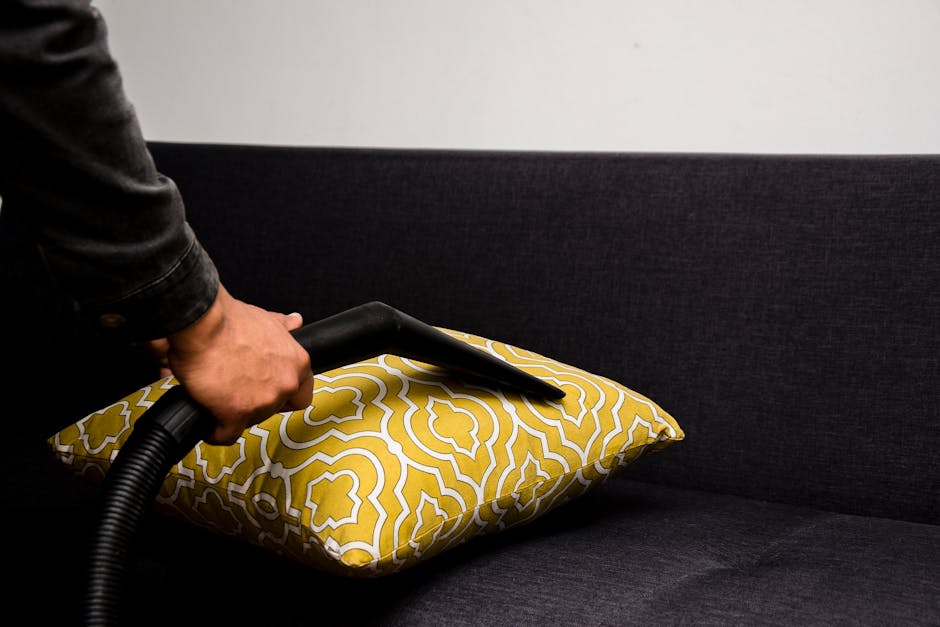
If you let property in Putney, upholstery cleaning compliance can feel like one more admin task at the end of an already long week. But it matters more than most landlords realise. Dirty sofas, stained armchairs, forgotten mattress toppers, and neglected fabric dining chairs can affect tenant safety, deposit disputes, complaints, insurance positions, and the overall standard of a rental home. In some cases, poor cleaning records can become the awkward detail that tips a small issue into a costly one. This guide breaks down what compliance means in practical terms, how to stay on the right side of expectations, and how to keep your rental presentable without making things harder than they need to be. Truth be told, the neatest landlords are usually the ones who save the most stress later.
Why Avoid fines: upholstery cleaning compliance for Putney landlords Matters
Upholstery is one of those areas that looks fine from across the room and then tells a completely different story up close. A sofa can hold body oils, dust, pet dander, drink spills, smoke residue, and general wear in a way that carpeting sometimes doesn't. In a rental, that matters because upholstery contributes to the overall condition of the home, the hygiene of shared living spaces, and the impression you leave on incoming tenants or inspectors.
For landlords in Putney, compliance is not just about making a property look tidy for a new tenancy. It is about showing that you have taken reasonable steps to keep the property clean, safe, and properly maintained. That can help if you face a dispute about cleanliness, a checkout report, a complaint from a tenant, or a question from an agent. It also helps reduce avoidable damage. Stains left too long can become permanent, odours settle in, and fabric fibres weaken faster than people expect.
There is another reason too: a clean property tends to move faster. If you are marketing a flat near Putney Bridge, off Lower Richmond Road, or in one of the busier rental pockets around SW15, the living room often carries a lot of weight in the viewing experience. A fresh sofa and clean cushions can quietly improve the whole room. That may sound small, but in property, small things add up.
Expert summary: For landlords, upholstery cleaning compliance is less about box-ticking and more about proving reasonable care, reducing tenant friction, and avoiding preventable damage, complaints, and replacement costs.
How Avoid fines: upholstery cleaning compliance for Putney landlords Works
Let's keep this simple. Compliance in this context usually means your upholstery cleaning process is sensible, documented, safe, and suitable for the property's condition and use. You are not expected to do everything yourself, and you are certainly not expected to use the same method on every fabric. What matters is that the cleaning approach matches the material, the level of soil, and any specific concerns such as allergens, odours, stains, or previous tenant wear.
A practical compliance workflow usually looks like this:
- Inspect the upholstery first. Check fabric type, visible staining, tears, loose stitching, fading, and any manufacturer care symbols if available.
- Identify the risk points. This might include damp marks, mildew, food stains, pet hair, or heavily used armrests and seat cushions.
- Choose the right method. Some pieces need low-moisture cleaning; others can handle deeper extraction. Some should not be saturated at all.
- Use suitable products. Harsh chemicals can damage fibres or leave residue that bothers sensitive tenants.
- Dry properly. A sofa that stays damp is not clean in any meaningful sense. It can smell, attract dirt, and create avoidable problems.
- Record what was done. Keep a simple note of dates, methods, and any issues found. Nothing fancy. Just enough to show process.
In everyday terms, that means treating upholstery as part of the property's condition management, not as an afterthought. If you are already arranging end of tenancy cleaning in Putney, upholstery should usually be considered alongside carpets, kitchen surfaces, and other high-contact areas. That is where the standard rises from merely acceptable to properly rental-ready.
To be fair, most issues only become obvious once a sofa has been used by a few different households. You open the lounge door, there is the faint smell of old coffee and the look of a seat cushion that has seen better days. It happens. The point is not to panic, but to have a routine.
Key Benefits and Practical Advantages
There is a strong practical case for making upholstery cleaning part of your landlord compliance routine. Some of the biggest benefits are obvious, but a few are easy to miss until you have dealt with a messy tenancy or a deposit dispute.
- Better tenant satisfaction: New tenants notice whether the property feels fresh. Upholstery is one of the first soft-furnishing cues they pick up on, even if they don't say it out loud.
- Reduced complaint risk: A well-cleaned sofa or chair is less likely to trigger complaints about odour, stains, or general neglect.
- Longer furniture life: Professional or well-planned cleaning can help preserve fabric and reduce premature replacement.
- Cleaner photos and viewings: If you are re-letting a Putney flat, clean soft furnishings make listings and in-person viewings feel more polished.
- Stronger evidence trail: Notes, invoices, and inspection records can support your position if a tenant challenges cleanliness or condition.
- Lower hidden hygiene risk: Upholstery can harbour allergens and grime in ways that are not obvious from a distance.
There is a commercial angle too. If you are building or protecting rental yield, presentation matters. Properties marketed as well kept often perform better in a crowded local market. For a broader view on maintaining value, you may also find it useful to read our guide to maximising investment in Putney real estate.
The nice thing is that compliance and commercial sense usually point in the same direction. Clean fabric, clear records, fewer surprises. Not glamorous, but effective.
Who This Is For and When It Makes Sense
This topic is most relevant if you are a private landlord, a portfolio landlord, or an agent managing furnished or part-furnished rentals in Putney. It also matters if you are preparing for a new tenancy, responding to a mid-tenancy issue, or trying to tighten up your move-out process so that the next occupant walks into a clean, calm property rather than a tired one.
It makes particular sense in these situations:
- Furnished lets: Sofas, dining chairs, ottomans, and headboards are part of the letting standard and need regular attention.
- End-of-tenancy turnover: This is the obvious moment to refresh upholstery before new tenants move in.
- Student or sharer accommodation: More occupants usually means more wear, more spills, and more cleaning demand.
- Pet-friendly lets: Fur, odours, and fabric wear are more likely, and you may need a stronger cleaning schedule.
- Older properties: Older textiles, inherited furniture, or mixed-condition items benefit from careful handling.
- Premium rentals: Higher expectations often mean finer fabrics and stricter presentation standards.
It is also relevant if you manage a property where landlords and tenants are both quite hands-on. In those cases, the little details matter. The agreed standard for soft furnishings should be obvious, not something everyone interprets differently later on.
Step-by-Step Guidance
If you want a straightforward way to stay compliant, use a repeatable process. Here is a practical version that works well for most landlords.
1. Start with an inventory mindset
Before any cleaning happens, note which upholstered items are in the property. Include sofas, armchairs, dining chairs, bench seating, and any loose cushions. If the item has obvious damage already, record that too. You do not need a novel; a few precise notes and photos are enough.
2. Check the fabric and condition
Different materials need different treatment. A velvet chair is not the same as a synthetic two-seater, and a leather-look surface is not always real leather. If care labels are available, follow them. If not, use a cautious approach and avoid soaking anything unless you are certain it can handle it.
3. Decide whether the job is light maintenance or deep cleaning
Light maintenance might include vacuuming, spot treatment, and deodorising. Deep cleaning is more appropriate when there are visible stains, heavy use, smoke smell, or an end-of-tenancy handover. If you also need wider property refresh work, deep cleaning in Putney can be the more efficient route.
4. Use proper pre-treatment
Pre-treatment helps break down grime before the main clean. This is especially useful for armrests, headrests, and seat fronts, where hands and skin contact build up quietly over time. Again, not magic. Just good practice.
5. Clean with care, not brute force
Over-wetting fabric is one of the fastest ways to create a new problem. It can leave water marks, slow drying times, and lingering odours. Use suitable extraction or low-moisture methods, depending on the fabric and the situation.
6. Dry thoroughly
Drying is part of the job, not an optional extra. Open windows where weather allows, use ventilation, and avoid putting tenants back into a damp room. On a chilly Putney morning, fabric can feel deceptively dry on the surface while still holding moisture deeper down. That's the trap.
7. Record the result
Take after photos, note the date, and keep a short summary of what was cleaned. If something was not fully resolved, record that too. Honest documentation is better than pretending every stain vanished. It usually doesn't, and that is fine.
Expert Tips for Better Results
Over time, landlords tend to learn the same lessons the hard way. These tips are the ones that save time and awkward conversations.
- Clean before the problem becomes visible: A routine refresh between tenancies is easier than trying to rescue a heavily soiled sofa after a year of use.
- Think in zones: Armrests, seat centres, and head contact points need more attention than the sides or back.
- Match the clean to the tenancy type: A short-term let, a family home, and a professional sharer property do not wear the same way.
- Do not ignore odour: A room can look fine and still feel unpleasant. Smell is often the clue that deeper cleaning is needed.
- Use a single record template: A simple checklist or inspection sheet makes repeat compliance much easier.
- Bundle tasks together: Upholstery, carpets, and general property cleaning often work best as one coordinated visit rather than separate jobs.
If you are planning a seasonal refresh, you may also want to compare upholstery care with spring cleaning in Putney. That can be a sensible moment to deal with fabric surfaces, especially before peak letting periods.
One small but useful habit: always check the room at a slightly different angle of light. Afternoon light in a Putney living room can reveal marks that were invisible at 9am. Slightly annoying, yes. Also useful.

Common Mistakes to Avoid
Most landlord problems are not caused by dramatic failures. They are caused by small, repeated oversights. Upholstery cleaning is no exception.
- Leaving it until checkout: By then, stains may have settled and repair options may be limited.
- Using the wrong product: Strong general-purpose cleaners can bleach, ring, or damage fabric.
- Skipping documentation: If there is no record, it becomes much harder to show reasonable care.
- Cleaning only what is visible: Surface appearance matters, but hidden build-up and odour matter too.
- Assuming all furniture is replaceable: That is an expensive mindset. Cleaning often extends life at a fraction of replacement cost.
- Ignoring tenant communication: If cleaning is scheduled during a tenancy, let people know clearly. Surprises are rarely helpful.
A very common mistake is forgetting that upholstered furniture can be part of the evidence trail in a deposit dispute. If a sofa was already marked at check-in, that should be clear. If it was professionally cleaned before the tenancy started, even better. The story should be easy to follow.
Tools, Resources and Recommendations
You do not need a warehouse of equipment to manage upholstery compliance well. For smaller portfolios, the essentials are fairly modest.
- Vacuum with upholstery attachment: Useful for dust, crumbs, and loose debris.
- Microfibre cloths: Good for gentle pre-treatment and spot wiping.
- Fabric-safe spot cleaner: Only if suitable for the material and applied carefully.
- White towels or absorbent cloths: Handy for blotting without adding colour transfer risk.
- Inspection checklist: A basic written or digital record of condition before and after cleaning.
- Phone camera: Clear photos are often more useful than people expect.
For landlords who prefer to outsource, choose a provider that understands rental turnover, not just domestic housekeeping. That matters because the expectation is different. A tenancy-ready clean needs to be practical, consistent, and timed around move-ins and checkouts. If you want a fuller view of available support, start with the services overview and then review the most relevant cleaning option for the property.
If you are comparing costs, use the company's pricing and quotes information rather than guessing from a general market average. Quoted pricing is more useful than vague assumptions, every time.
Law, Compliance, Standards, or Best Practice
Here we need to be careful and plainspoken. Upholstery cleaning itself is not usually about a single special law. The compliance angle is more about the wider duties landlords already have: keeping the property reasonably safe and clean, meeting tenancy agreement obligations, avoiding negligent maintenance, and reducing the chance of disputes. Depending on the property and tenancy setup, your agreement, inventory terms, insurance expectations, and general duty of care all come into play.
Good practice in this area usually includes:
- Regular inspection and maintenance: Soft furnishings should be reviewed as part of routine property management.
- Appropriate cleaning methods: Use methods suited to the material and condition, rather than one universal approach.
- Safe product use: Avoid chemicals or techniques that could harm occupants or damage the item.
- Clear records: Keep evidence of cleaning and condition before and after tenancies.
- Tenant transparency: If professional cleaning is required under the tenancy terms, make sure the wording is fair and understood.
It is also sensible to align upholstery care with your broader cleaning and safety systems. If your property management approach includes documented standards, a written process, and a reliable contractor list, you are already ahead of many landlords. For peace of mind around service quality and responsible operations, you may find the company's health and safety policy, insurance and safety information, and terms and conditions useful to review before booking any work.
One practical note: if a property has accessibility considerations, plan cleaning times and room access thoughtfully. That sounds obvious, but small logistical oversights can create real friction. The same goes for privacy and data handling when you are storing photos, inventories, or tenant details. A quick look at the privacy policy and accessibility statement can help you understand how a provider handles these basics.
Options, Methods, or Comparison Table
Most landlords end up choosing between doing the work themselves, scheduling a one-off refresh, or using a more structured professional service. Each option has its place. The trick is matching the method to the tenancy stage and the condition of the furnishings.
| Approach | Best for | Pros | Watch-outs |
|---|---|---|---|
| DIY spot cleaning | Small fresh marks, routine upkeep | Fast, low cost, convenient | Higher risk of damage, uneven results, weak documentation |
| One-off professional clean | Mid-tenancy refresh or pre-let tidy-up | Better finish, less hassle, more consistent drying and treatment | Needs scheduling, and the right method still matters |
| End-of-tenancy clean with upholstery included | Turnovers, checkout preparation, furnished rentals | Efficient, comprehensive, easier for compliance records | May need to be booked in advance during busy periods |
For many Putney landlords, the sweet spot is not choosing one method forever. It is using a light maintenance routine during the tenancy and then a more thorough refresh at turnover. That keeps standards up without over-cleaning the fabric, which can happen too, and isn't ideal.
If the property also needs broader presentation support, you may want to combine upholstery with house cleaning in Putney or, for more frequent managed support, domestic cleaning in Putney. For some landlords, that is the simplest way to keep everything in step.

Case Study or Real-World Example
Here is a realistic scenario. A landlord in Putney is preparing a furnished two-bedroom flat for new tenants after a twelve-month tenancy. The inventory is decent, but the lounge sofa has armrest darkening, one seat cushion has a pale coffee mark, and there is a faint odour from regular use rather than anything dramatic. Nothing catastrophic. Just enough to make the room feel older than it is.
Instead of trying to hide the marks with a quick surface wipe, the landlord arranges a proper upholstery clean as part of the move-out process. The cleaner checks the fabric, treats the coffee stain carefully, cleans the high-contact zones, and allows proper drying time before the new tenancy begins. Photos are taken before and after, and the invoice is saved with the property records.
The result is not a miracle transformation. The sofa still looks used, because it is used. But it looks fresh, smells better, and no one later argues that the property was handed over in poor condition. More importantly, the landlord now has a clear paper trail. That one decision prevents a small complaint from becoming a drawn-out exchange over standards, deposits, and whose memory is more accurate. We've all seen how messy that can get.
This is where compliance becomes practical rather than theoretical. A sensible process, some decent records, and a clean finish. That's the whole game.
Practical Checklist
Use this checklist before each tenancy changeover or scheduled upholstery refresh:
- Confirm which upholstered items are included in the inventory
- Check for visible stains, tears, odours, and fabric wear
- Identify the fabric type or care label where possible
- Choose the appropriate cleaning method for the material
- Protect surrounding floors and finishes before cleaning starts
- Treat spots before the main clean
- Allow enough drying time before reoccupation
- Photograph the finished result from a few angles
- Store notes, dates, and any contractor paperwork
- Review whether the same item needs earlier attention next time
If the property has just had a large tenant turnover or event-style use, it can help to pair upholstery care with one-off cleaning in Putney. That way, the whole place feels reset rather than patched together.
Conclusion
Avoiding fines and disputes is rarely about one dramatic action. It is usually about building a repeatable habit: inspect, clean properly, document, and keep the property in a standard you can stand behind. For Putney landlords, upholstery cleaning compliance sits right in that middle ground between care and practicality. Do it well, and the property feels easier to manage, easier to re-let, and far less likely to produce those annoying last-minute conversations nobody wants.
The best part? Once you have a simple process in place, it stops feeling like a burden. It just becomes part of good landlord practice, the same way checking smoke alarms or reviewing an inventory does. Boring, maybe. Effective, definitely.
If you want a cleaner, more reliable turnover process for your Putney rental, the next sensible step is to plan the upholstery clean alongside the rest of the property refresh rather than treating it as an extra. Small difference. Big payoff.
Get a free quote today and see how much you can save.